Is It Safe to Take a River Cruise in Europe?
The most straightforward river trip there is — with a few habits that keep it that way.
Get Free River Cruise QuotesIs it safe to take a river cruise in Europe? For most people it is the most straightforward river trip there is — with a handful of habits that keep it that way.
Why Europe Is the Easy Choice
European river cruises sail through densely populated countries with well-developed health systems. Most landings are in or near a town, ambulances can usually reach the quay, and many river ships tie up close to the old center. Within much of the EU you cross borders without passport checks, the euro covers several countries, and English is widely understood in the places ships visit. Weather is moderate in the main cruising season, and insect-borne disease is not the concern it can be in the tropics.
That is why European rivers top any honest list of the safest river cruises. It is also why some travelers relax too much. The most common problems on a European river trip are not dramatic: a wallet lifted in a crowd, a twisted ankle on cobblestones, a missed connection when low water forces a coach transfer.
Reading Europe’s Advisories Calmly
When you look up France, Germany, the Netherlands or Belgium in the State Department travel advisories, you may see a level above the lowest, often citing terrorism. That language reflects a general, Europe-wide risk to crowded public places — markets, festivals, transport hubs — rather than a specific threat to river cruises. Read the whole entry: it tells you which areas, if any, are singled out, and what precautions are suggested. A second opinion from the UK Foreign Office travel advice can help you see the same picture from another government.
Crowded places
Christmas markets, big squares and festivals attract pickpockets; stay alert and keep valuables close.
Strikes and protests
Transport strikes can affect flights and transfers; lines usually adjust. Avoid demonstrations.
River levels
High or low water can change the route; our sister sites explain what lines do.
Heat waves
Recent summers have brought very hot spells; carry water on walking tours.
Pickpockets and Petty Theft
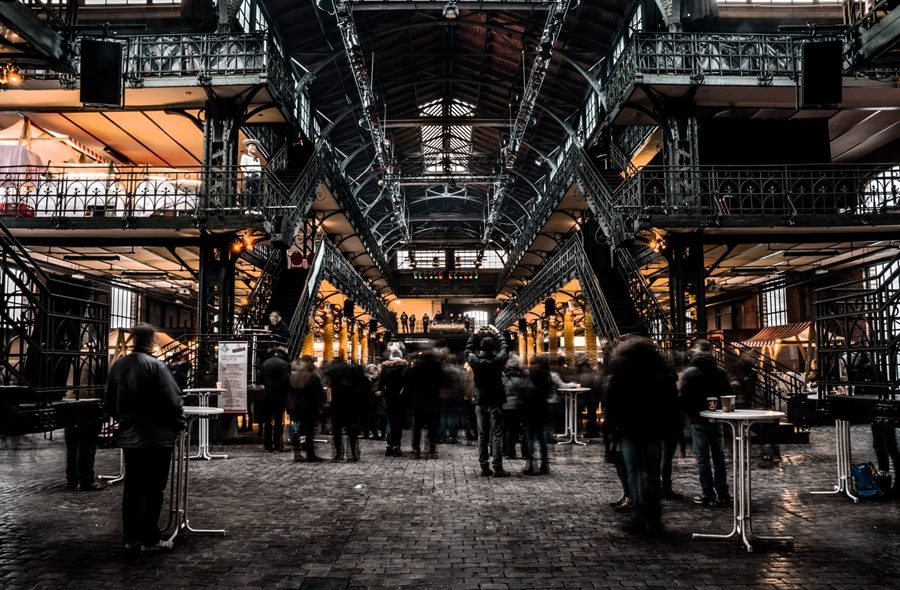
Big cities on river itineraries — Amsterdam, Paris, Vienna, Budapest, Prague on pre- or post-cruise stays — have the same pickpocket problem as any major tourist city. Thieves work in crowds, on trams and metros, at viewpoints and around market stalls. A zipped cross-body bag worn in front, a phone that stays in a pocket rather than on a café table, and a passport left in the cabin safe on ordinary port days are the habits that matter. If something is stolen, report it to local police for your insurance claim and tell the ship’s reception, which can help.
For broader travel-safety habits, from scams to card skimming, our sister site Travel Is Safe has a full guide. For the routes themselves, European Riverboat Cruises covers every major European river.
Europe River Cruise Safety Questions
Is it safe to take a river cruise in Europe?
For most travelers, yes — it is one of the easiest kinds of foreign travel. Ships dock in towns with good medical care, and most risks are everyday ones: pickpockets in crowded places, uneven streets and changing river levels. Check the advisory for each country on your route before you go.
What number do I call in an emergency in Europe?
112 works across the European Union for police, ambulance and fire. Your ship’s reception can also call for help and give the exact address of the landing.
Are European advisories ever raised?
Yes. Several Western European countries have for years carried an elevated advisory level because of the general risk of terrorism, which applies to tourist sites and events everywhere. Read the text, not just the number.
Plan a Relaxed European River Cruise
Our cruise advisors at Mister Cruise will help you choose a river, a line and dates that suit your pace, and send free quotes.
Get Free River Cruise Quotes